

Emerging Trends in Plastic Recycling Companies in Malaysia: What Manufacturers Need to Know in 2026
As Malaysia’s manufacturing sector continues to evolve, the role of plastic recycling companies has never been more critical. From injection moulding to packaging, manufacturers across industries are seeking trustworthy partners for both virgin and recycled plastic resin. In 2026, staying informed about the latest trends among plastic recycling companies in Malaysia can give your business a competitive edge and support your sustainability goals. For readers comparing options, Plastic Recycling Company Malaysia is the main topic this guide explains.
The Shifting Landscape of Plastic Recycling in Malaysia
Plastic recycling in Malaysia has transitioned from a compliance-driven activity to a strategic business function. New policies, market pressures, and consumer demand for sustainable products are pushing manufacturers to reconsider their sourcing strategies. Companies are no longer looking only for raw material suppliers but for partners who can provide reliable, quality-controlled recycled resins and support circular manufacturing models.
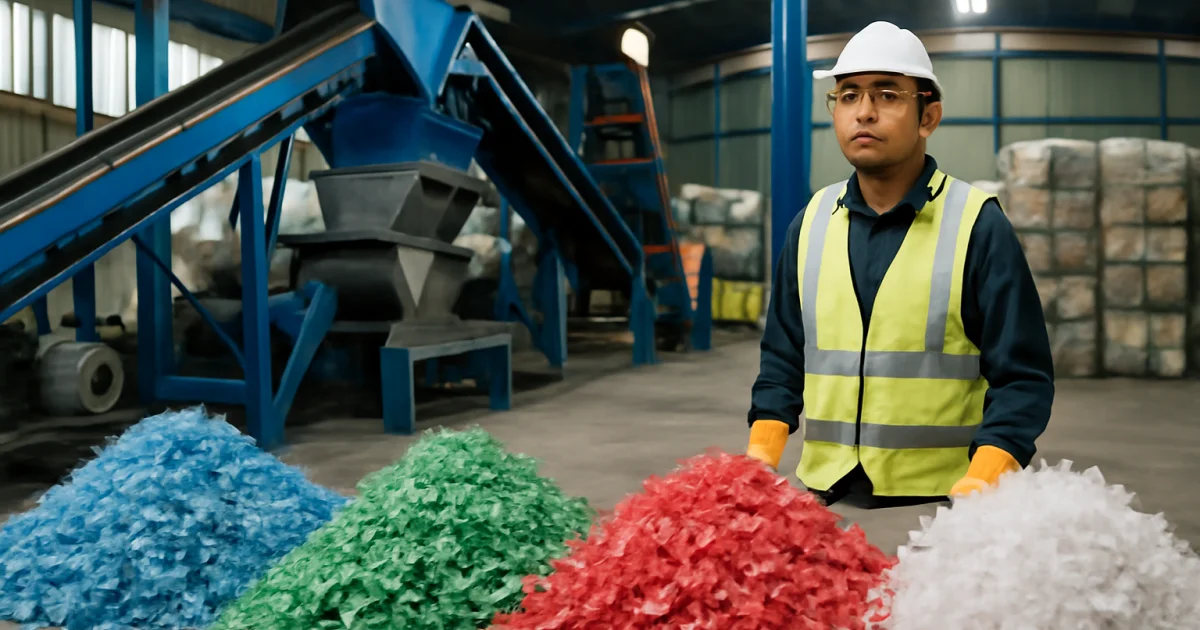
Increased collaboration between manufacturers and recycling specialists is leading to innovations in resin quality, color compounding, and material traceability. As a result, plastic recycling companies are investing in advanced machinery for sorting, cleaning, and crushing, ensuring consistent material properties that meet manufacturing standards for both virgin and recycled grades.
Key Trends Shaping Plastic Recycling Companies in 2026
1. Greater Demand for High-Quality Recycled Resins
Manufacturers are increasingly turning to recycled ABS, PP, and PC/ABS resins for their environmental benefits and cost-effectiveness. The demand for specific grades—such as PP Black, PP Blue, PP White, and Blue PP—is on the rise, especially for applications in automotive, electronics, and packaging.
Plastic recycling companies in Malaysia are responding by implementing advanced material sorting and quality control processes. This ensures that recycled resins can reliably replace virgin materials in demanding production lines, helping manufacturers maintain product consistency while reducing environmental impact.
2. Expansion of Material Choices and Customization
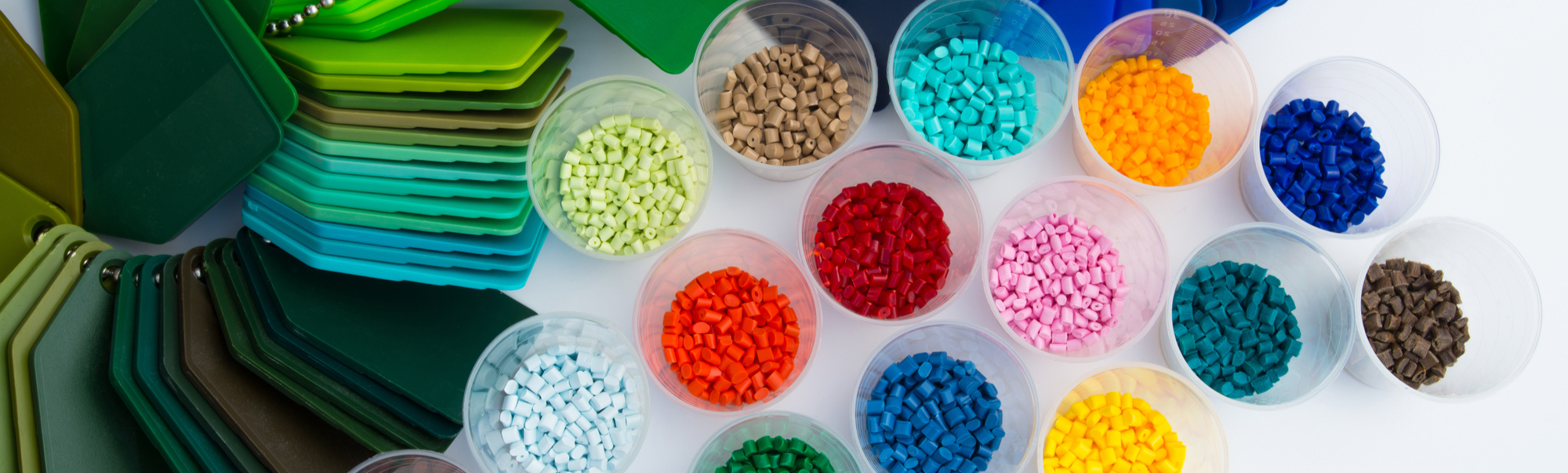
Beyond standard resins, manufacturers now require a broader palette of colors and material specifications. Modern recycling companies are offering customized color compounding and pelletizing services, enabling clients to source plastic resins in various forms and shades—including natural, red, green, black, and blue flakes.
This level of customization supports branding, product differentiation, and the ability to meet industry-specific standards. As a result, manufacturers can streamline their supply chains and reduce the need for additional processing steps.
3. Technology-Driven Process Improvements
State-of-the-art recycling facilities are leveraging automation and digital monitoring to increase efficiency and material traceability. From automated sorting lines to real-time quality inspection, these technologies help ensure that each batch of resin—whether virgin or recycled—meets strict quality requirements.
Such process improvements are particularly important for industries like electronics, automotive, and medical device manufacturing, where material consistency is non-negotiable.
Sustainability and Circular Manufacturing: Driving Forces
With growing awareness of plastic waste and environmental impact, Malaysian manufacturers are prioritizing sustainability in their procurement decisions. Leading plastic recycling companies are supporting this shift by offering integrated recycling solutions—collecting plastic scrap, processing it into standardized resin, and reintroducing it into the production cycle.
This circular approach reduces waste, lowers reliance on virgin raw materials, and helps companies achieve their sustainability targets. It also opens up new business opportunities for manufacturers seeking to attract eco-conscious customers and comply with international green standards.
For example, the ability to trace the origin and composition of recycled plastic resin is becoming a key differentiator. Manufacturers increasingly value partners who offer transparency and documentation to support their environmental claims.
Challenges and Opportunities for Manufacturers
- Material Quality and Consistency: Ensuring recycled resins consistently meet production needs remains a top priority. Partnering with companies that offer rigorous quality control and testing is essential.
- Cost Management: While recycled materials can lower costs, volatility in resin markets means manufacturers need reliable suppliers who can offer competitive pricing and stable supply.
- Regulatory Compliance: Staying updated with Malaysian and international regulations on plastic production and recycling is crucial for avoiding disruptions and maintaining market access.
- Innovation in Applications: The use of recycled plastics in high-performance applications—such as automotive interiors or electronics housings—requires ongoing collaboration between manufacturers and recycling companies to develop suitable material blends.
How to Choose the Right Plastic Recycling Company in Malaysia
When evaluating potential partners, manufacturers should consider several key factors:
- Material Range: Does the company supply both virgin and recycled options? Are various resins like ABS, HIPS, PP, PC/ABS, and more available?
- Quality Assurance: Are there defined processes for sorting, cleaning, crushing, and quality checking?
- Customization: Can the provider meet color, form, and size requirements?
- Service and Delivery: Is customer service responsive, and can the company support ongoing production needs with reliable delivery?
For a deeper dive on this topic, see 6 Key Factors To Choose The Right Plastic Recycling Company In Malaysia.
Conclusion: Staying Ahead in Malaysia’s Plastic Recycling Landscape
As 2026 unfolds, manufacturers in Malaysia have more choices than ever when it comes to sourcing high-quality, sustainable plastic resins. By keeping up with the latest trends—such as increased customization, advanced processing, and circular manufacturing—businesses can strengthen their supply chains and environmental credentials.
Choosing a plastic recycling company in Malaysia is no longer just about securing raw materials. It’s about building a partnership for innovation, sustainability, and long-term business success. To learn more about the wider impact of recycling, explore The Importance Of Plastic Recycling In Malaysia and How A Leading Plastic Recycling Company In Malaysia Powers Circular Manufacturing.
Frequently Asked Questions
What is a plastic resin, and why is it important for manufacturers?
A plastic resin is a versatile raw material—typically in the form of pellets or flakes—used to produce a wide array of plastic products through processes like injection moulding. Its properties, such as strength, flexibility, and color, determine the performance of finished goods. For manufacturers, sourcing high-quality resin, whether virgin or recycled, is essential to ensure consistent product quality and meet industry standards.
How do plastic recycling companies in Malaysia ensure the quality of recycled resins?
Leading recycling companies in Malaysia use advanced sorting, cleaning, and crushing technologies to process plastic scrap into standardized resin pellets or flakes. They conduct rigorous quality inspections and sampling to ensure that recycled resins meet specific material requirements, allowing manufacturers to confidently use these materials in their production lines.
What types of recycled plastic resins are commonly available in Malaysia?
Malaysian recycling companies commonly supply recycled polypropylene (PP) in various colors (such as black, blue, and white), ABS, PC, PC/ABS, HIPS, and more. These resins are suitable for applications in automotive, electronics, packaging, and household goods, with customization available to match manufacturers’ color and performance needs.
What are the benefits of using recycled plastic resin for manufacturers?
By using recycled plastic resin, manufacturers can reduce material costs, lower their environmental footprint, and support circular manufacturing models. Recycled resins also help companies meet sustainability targets and demonstrate environmental responsibility to partners and consumers.
How can manufacturers choose the right plastic recycling company in Malaysia?
Manufacturers should assess the provider’s range of materials, quality control processes, ability to offer customized solutions, and reliability in delivery and service. Choosing a partner with proven recycling expertise and integrated supply capabilities ensures consistent quality and supply for ongoing production needs.
Ready to Future-Proof Your Resin Supply?
Stay ahead of industry trends and meet your sustainability goals with Tai Hong Plastic Industries Sdn Bhd. Our integrated services—from virgin and recycled plastic resin supply to color compounding and recycling—empower Malaysian manufacturers to innovate and grow. Discover how our quality-controlled materials and competitive pricing can support your production line in 2026 and beyond.